When the temperature spikes and your air conditioner quits, it can quickly turn from discomfort to a true no cooling emergency. For homeowners in Port Chester and greater Westchester County, understanding how emergency AC repair works, what to expect from 24/7 HVAC services, and how to prevent breakdowns can save time, money, and stress. This guide breaks down the essentials of urgent HVAC service so you can act fast and make informed decisions—day or night.
Why Emergency AC Repair Matters
Heatwaves in New York are becoming more frequent and intense. During a heatwave AC repair NY calls surge, and systems are pushed to their limits. For households with infants, elderly residents, or health conditions, a failed AC can be more than an inconvenience—it can be a safety risk. Reliable same-day AC repair and after-hours HVAC repair options ensure your home stays safe and livable, even when the unexpected happens.
In Port Chester, access to fast AC repair Port Chester providers who know local building stock, older ductwork, and utility constraints makes a difference. Choosing a contractor prepared for Westchester emergency HVAC demands helps you avoid long waits and repeated callbacks.
Common Causes of AC Emergencies
Before you call for residential emergency HVAC, it helps to understand what might be going wrong:
- Electrical failures: Tripped breakers, blown fuses, faulty capacitors, or shorted contactors can stop cooling instantly. Frozen evaporator coils: Often due to restricted airflow (dirty filters, blocked vents) or low refrigerant levels. Refrigerant leaks: Reduced cooling capacity, hissing sounds, or ice buildup can signal a leak requiring certified handling. Compressor issues: Hard starting, overheating, or failure will cause rapid loss of cooling. Clogged condensate lines: Water leaks or float switch trips can shut the system down to prevent overflow. Thermostat faults: Miscalibration, failed sensors, or poor placement can mimic bigger problems.
Knowing these helps you communicate symptoms clearly when requesting urgent HVAC service and may speed up diagnostics.
What to Do Before Calling for Help
You can sometimes avoid a service call—or at least expedite repairs—by checking a few items safely:
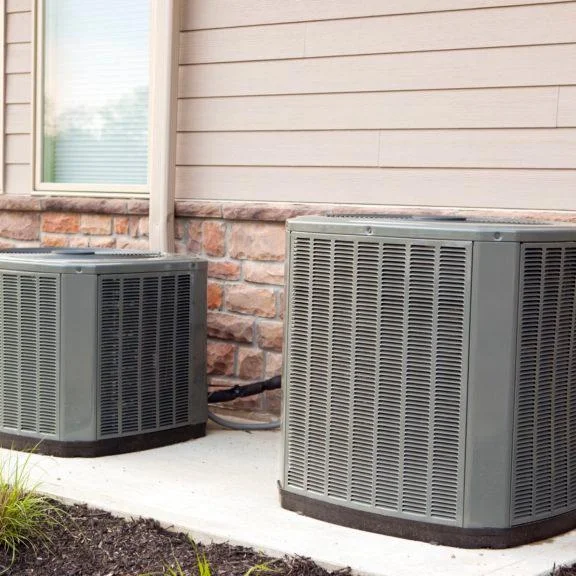
Thermostat: Confirm it’s set to “Cool,” fan on “Auto,” and the temperature set lower than room temp. Replace batteries if applicable. Power: Check the indoor furnace/air handler switch, outdoor disconnect, and main electrical panel breakers. Air filter: A heavily clogged filter can trigger a no cooling emergency. Replace if dirty. Vents and returns: Ensure supply vents are open and returns unblocked to prevent coil freeze. Condensate drain: Look for signs of overflow or a tripped float switch. Outdoor unit: Clear leaves or debris at least 2 feet around the condenser for proper airflow.If these steps don’t restore cooling—or you notice burning smells, smoking equipment, or water near electrical components—stop and call a professional for after-hours HVAC repair.
Choosing the Right Emergency AC Repair in Port Chester
Not all contractors are equal in response time or capability. When evaluating emergency AC repair Port Chester providers, consider:
- True 24/7 HVAC services: Confirm they answer phones and dispatch technicians around the clock, not just “messages after hours.” Same-day AC repair capacity: Ask about average response times, triage process during peak periods, and stocked service vehicles. Licensing and insurance: New York State licensing, EPA Section 608 refrigerant certification, and adequate liability/workers’ comp coverage are musts. Experience with your system: Central air, heat pumps, ductless mini splits, and older R-22 systems require different expertise. Transparent pricing: Emergency diagnostic fees, after-hours premiums, and parts/labor rates should be clear upfront. Warranty and workmanship: Look for documented warranties and satisfaction guarantees.
Local reputation matters. Technicians accustomed to Westchester emergency HVAC calls understand regional code requirements, utility programs, and common equipment brands installed in area homes.
What to Expect During an Emergency Visit
- Initial assessment: The technician will verify symptoms, inspect indoor and outdoor units, check electrical components, airflow, thermostat settings, and refrigerant status. Safety stabilization: If there’s a risk of water damage or electrical hazard, they’ll secure the system first. On-the-spot repairs: Many issues—bad capacitors, contactors, relays, clogged drains—are fixable immediately from stocked parts. Refrigerant handling: Suspected leaks require leak detection, repair, and recharge by certified personnel. Temporary cooling solutions: In some cases, especially during heatwaves, providers may offer portable cooling or prioritize return visits. Clear recommendations: You should receive a written estimate, photos or meter readings if applicable, and options for repair vs. replacement if the system is at end-of-life.
Good providers of residential emergency HVAC keep communication clear, set expectations, and follow through with fast AC repair Port Chester homeowners can count on.
Preventing Future Emergencies
The best urgent HVAC service is the one you never need. Reduce risk with:
- Seasonal maintenance: Spring tune-ups catch failing capacitors, weak compressors, dirty coils, and low refrigerant. This is key before heatwave AC repair NY demand spikes. Filter discipline: Replace filters every 1–3 months, more often with pets or allergies. Keep it clean: Maintain 2–3 feet of clearance around the outdoor unit; rinse coils gently with a hose when the system is off. Thermostat settings: Avoid extreme setbacks that cause long recovery times and strain equipment. Duct and vent integrity: Seal leaks, keep vents open, and ensure returns are unobstructed. Surge protection: Install whole-home surge protection to guard sensitive HVAC electronics. Age-based planning: Systems older than 12–15 years are more prone to failures. Budget for replacement before a midsummer breakdown.
Repair vs. Replace During an Emergency
If your system fails under stress, it might be near end-of-life. Consider replacement when:
- The compressor has failed and the unit is out of warranty. Repairs exceed 30–40% of the cost of a new system. You have an R-22 system with recurring refrigerant issues. Energy bills are high and comfort is inconsistent. Your home needs zoning, better humidity control, or quieter operation.
Modern high-efficiency systems, variable-speed compressors, and smart controls can boost comfort and cut energy costs. Discuss options during the service visit; many Westchester emergency HVAC providers offer quick-turn installations with financing.
How to Be Ready Before Trouble Hits
- Save contacts: Keep numbers for two or three trusted emergency AC repair Port Chester companies. Document your system: Model/serial numbers, installation date, warranty status, past repairs. Clear access: Ensure technicians can reach the air handler, outdoor condenser, and electrical panel quickly. Backup plan: Portable fans, window units, or a safe place to stay during prolonged outages can protect vulnerable family members. Membership plans: Many 24/7 HVAC services offer maintenance agreements with priority scheduling and discounted after-hours HVAC repair.
Staying prepared means you’re not scrambling during a no cooling emergency. Instead, you’ll make swift, confident choices for your home.

Frequently Asked Questions
Q1: How fast can I get same-day AC repair in Port Chester? A: Response times vary with weather and demand. Reputable providers offering fast AC repair Port Chester typically arrive within a few hours for urgent HVAC service, with triage for high-risk households during heatwaves.
Q2: What qualifies as an emergency versus a next-day repair? A: No cooling during extreme heat, electrical burning smells, water leaks near electrical components, or frequent breaker trips warrant immediate after-hours HVAC repair. Mild temperature drops or minor thermostat issues may wait until morning.
Q3: Will emergency service cost more? A: Yes, 24/7 HVAC services often include after-hours or holiday premiums. Ask for transparent diagnostic fees and estimates. Some maintenance plan members receive reduced Westchester emergency HVAC rates.
Q4: Can I run my AC if the indoor coil is frozen? A: Turn the system off at the thermostat and run the fan only to thaw the coil. Replace the filter and check vents. If it refreezes, call for residential emergency HVAC—low refrigerant or airflow problems may be to blame.
Q5: What should https://ac-quick-fix-guide-for-preventive-care-reference.wpsuo.com/port-chester-seasonal-ac-maintenance-energy-efficient-care-checklist I tell the dispatcher to speed things up? A: Provide your address, system type, thermostat settings, recent filter change, any error codes, breaker status, unusual sounds/smells, and how quickly the temperature is rising. Clear details help the technician arrive prepared.